
Ash Wednesday
What if the questions are the conversation?

On my walk today, I crossed paths with a woman pushing a child cosseted in a stroller, a smudge of ash on the baby’s forehead. I wondered what sort of talisman this was—a reminder of sin, or life’s brevity? A sign of humility? But who could be more humble than a tiny child?
Over the years, I have written many Ash Wednesday essays, and led people through 40 day devotional studies. But this year, I am on a sabbatical from church, so it feels different. Odd. Like ashes on the face of a child who couldn’t be more than a year old. Did she choose this act of repentance? Or was it, like so many trappings of religious life often are, chosen for her?
The ashes are often bestowed with a reminder: From the dust you came, and to dust you will return. (I hope that child’s return to dust will not happen for a good long while).
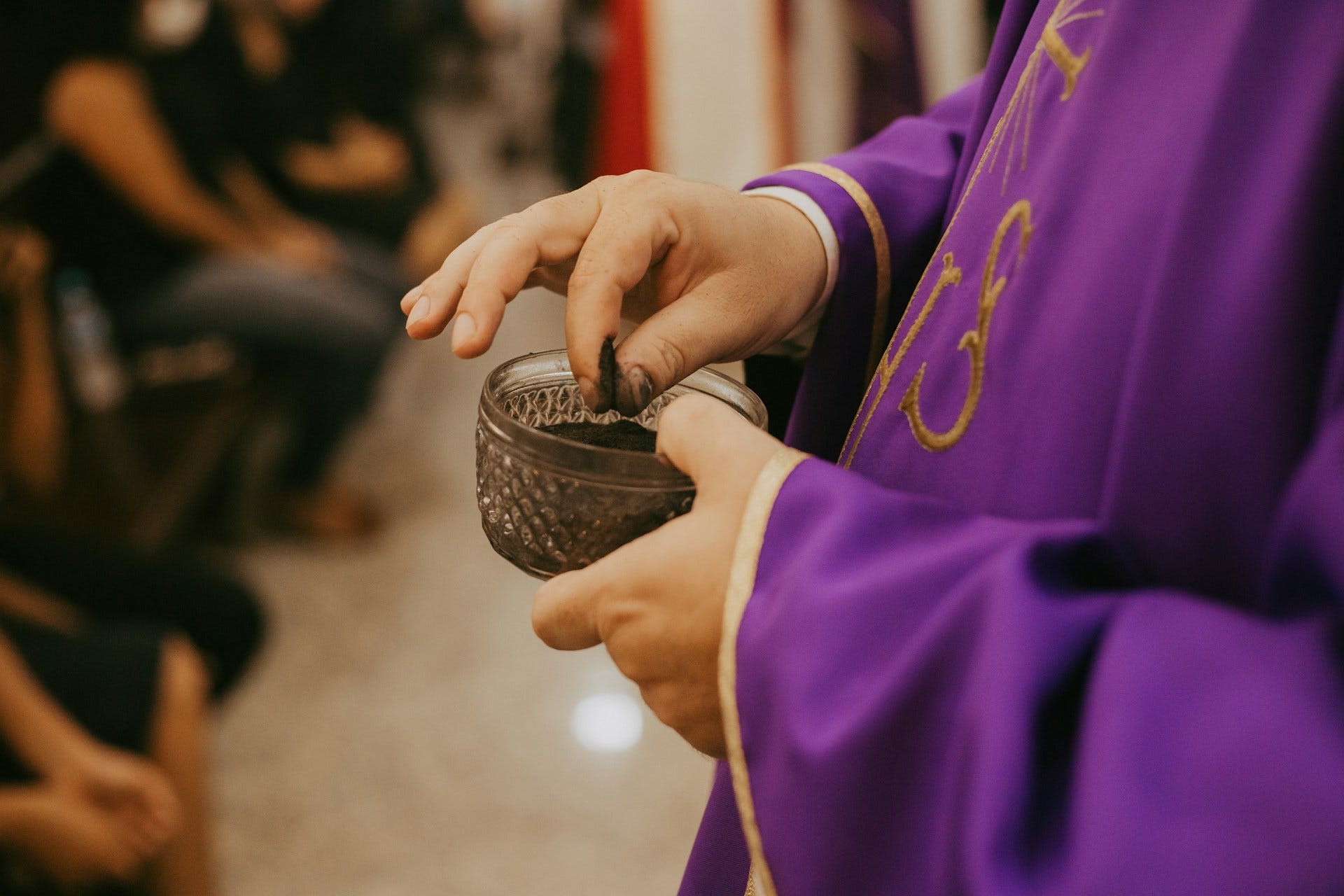
Photo by Thays Orrico on Unsplash
But what if we are continually returning to dust? What if we’re meant to be building up and breaking down all the time? If you’re in the midst of rearranging your faith furnishings, or completely gutting and remodeling your spirituality, Lent hits with a certain pathos. The return to dust happens throughout our lives. And, so does the rising.
Some rituals and practices feel dusty to me these days. In some ways, I long for the certainty of the past, when I could readily explain mystery through easy metaphor (as I did in this perennially popular essay from many years ago).
Though I did not grow up in a tradition that paid much attention to Lent and didn’t receive ashes on my forehead, I was raised in the church. I accepted and believed the gospel as a very small child, so “choosing” to follow Jesus then felt like breathing. Like that little one in the stroller, I didn’t question any of it then. My questions came later, and I trust that baby’s will also.
Maybe you’re questioning, maybe you’re wondering. You are welcome here. I write in this space often about welcome. What motivates us to welcome others? For me, it’s the way God has welcomed me—even in the midst of doubt or uncertainty or questions or complete deconstruction. What if God welcomes us, even pursues us, not to set us straight or shame us but to walk with us?
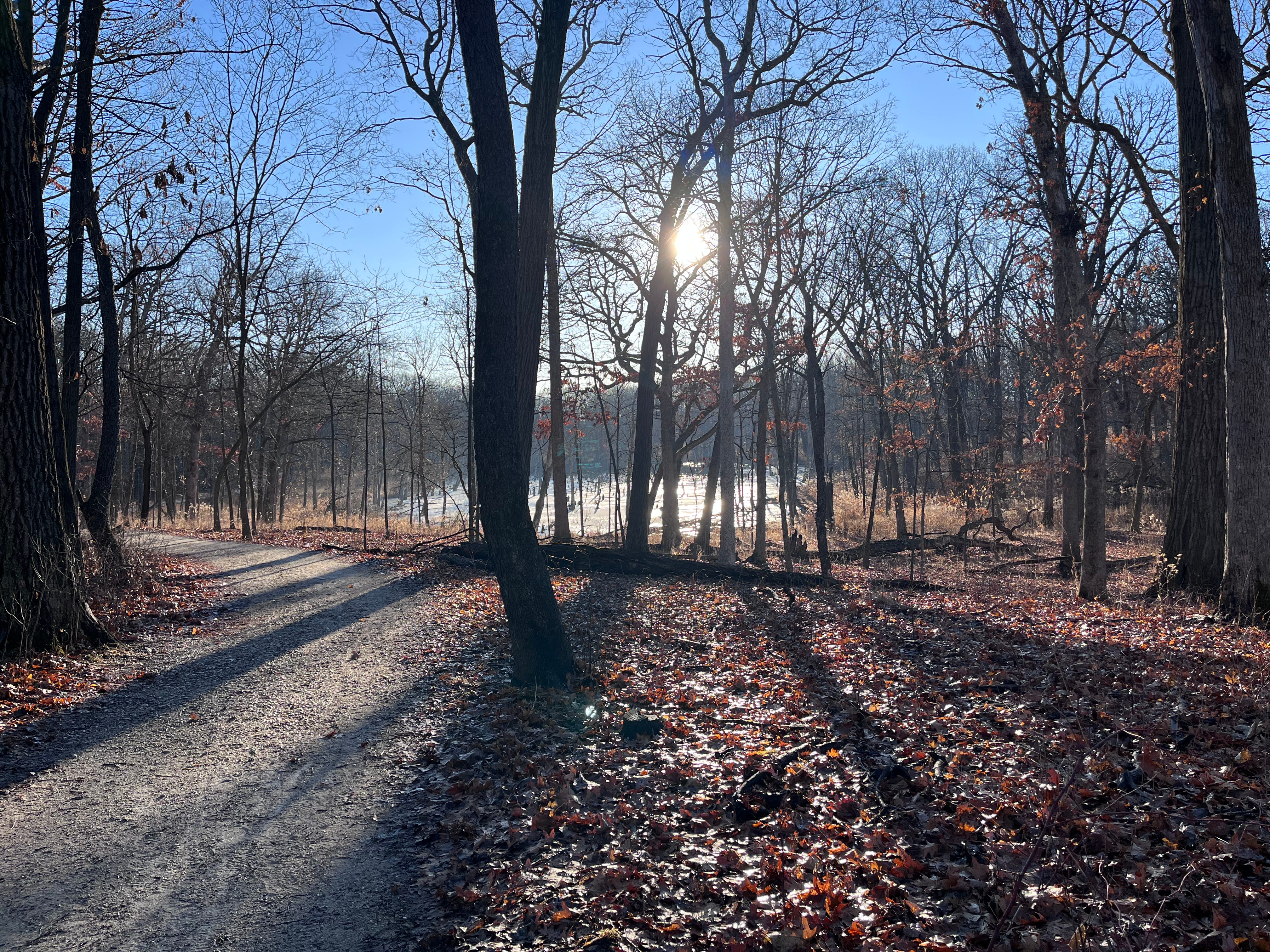
Here’s the thing: the questions aren’t taking you off the path. The questions are the path. The questions are the conversation with Jesus, who often called people to repentance, sometimes making reference to “sackcloth and ashes” as a sign of it.
It’s interesting to me that Jesus called us to repentance, and the church created a season focused on it. Repentance means to change direction, to go a new way, to make a “180” and turn from one way to another.
If that “turn” includes letting go of dogma or certainty, that’s okay. If your “180” means letting go of political or religious views that no longer fit, Jesus isn’t surprised or condemning. Don’t listen to those who meet your new direction with shame or judgement.
If you are in a season of questions or doubts: the questions are the path. Here is the way, walk in it.
What if this season is one in which Jesus invites you to reexamine your faith, and to remember that no matter what doubts or questions you have, you are welcome?
“The questions are the path.” YES! Yet in some circles I feel shame for questioning, as though to do so betrays a lack of faith. But how is faith possible without real questions?
Our paths are unique, though they lead to the same place.